
2048 Decks
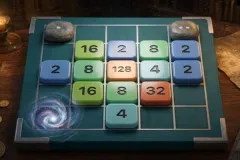
2048 Decks gives the classic number puzzle a different structure. Instead of receiving unknown tiles, you work with a fixed deck and can see part of what is coming next.
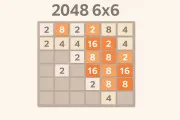

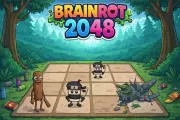


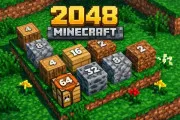

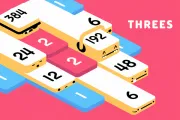


2048 Decks gives the classic number puzzle a different structure. Instead of receiving unknown tiles, you work with a fixed deck and can see part of what is coming next.
The board shifts one cell with each drag. Numbers can merge, but only when the tile ahead has no space to move. This makes each move more about planning than quick swiping.
2048 Decks Gameplay Instructions
Read the Board Before Moving
Your main task is to build larger numbers without filling every space. Each move pushes the board one cell in the chosen direction. Matching numbers do not always merge immediately.
Start by checking the numbers already on the board. Look at the three upcoming tiles before making a move. This gives you a short preview of the next few turns.
Some decks add extra rules. Plain numbers follow the basic puzzle system.
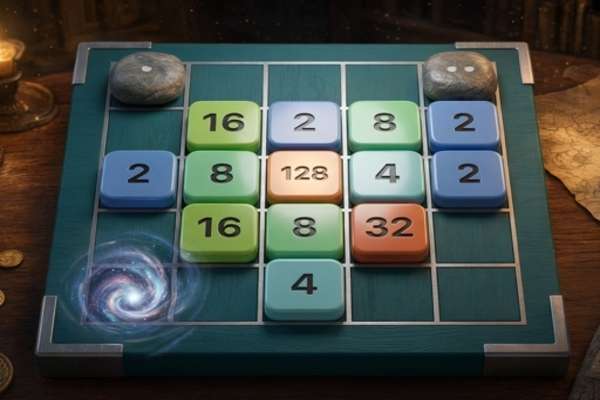
How Each Turn Works
Drag: Moves the board one cell in the chosen direction.
Merge: Combines equal numbers when the front tile cannot move farther.
Deck: Controls the order of incoming cards and changes how the board behaves.
Smash: Removes one tile from the board. One use is available on each board.
Controls
- Mouse Drag: Move the board
- Arrow Keys / WASD: Move the board
- Z: Undo
- Escape / P: Pause
Mobile: Touch and drag to move the board.
Questions About 2048 Decks
How are merges different from normal 2048?
A pair of equal numbers does not simply merge whenever they meet. The tile in front must have no available space before the merge can happen. This changes how you position numbers on the board.
When should you use Smash?
Smash is most useful when one tile is causing several future moves to fail. Each board gives you only one Smash. Look for a tile that blocks a narrow area or prevents an important merge.
What makes the different decks interesting?
Each deck changes how you read the board.
- Plain numbers keep the rules simple.
- Stones create fixed obstacles that need another approach.
- Wild tiles give you more freedom because they can match another value.
The expanding board changes the amount of space available as your biggest tile grows. These rules make the same basic movement system feel different from one deck to another.